Characters of the Yekamaka Universe
The characters of Yekamaka are more than heroes in a story.
Each one is built as a mirror for real children – their worries, strengths, quirks, and secret hopes – and as a gentle guide to help them grow.
Every main character is:
- Rooted in emotional truth and psychology
- Designed to represent a core “thread” of growth
- Surrounded by symbols, creatures, and choices that reflect real inner challenges
Below is an introduction to the key characters and what they mean for children in the real world.
Alex – The Mapmaker of Possibilities
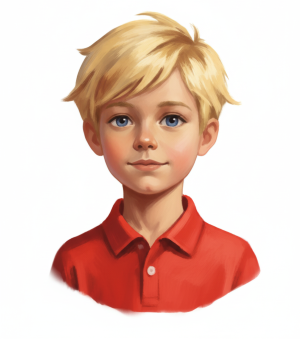
Alex is the child who can’t stop planning, mapping, and imagining futures.
- Loves: drawing maps, planning routes, turning chaos into structure
- Struggles with: overthinking, fear of “getting it wrong,” pressure to be responsible
- Core thread: Hopeful planning and agency
For kids who:
- Feel responsible for everyone else
- Like to plan, organize, or “fix things”
- Worry about making the wrong decision
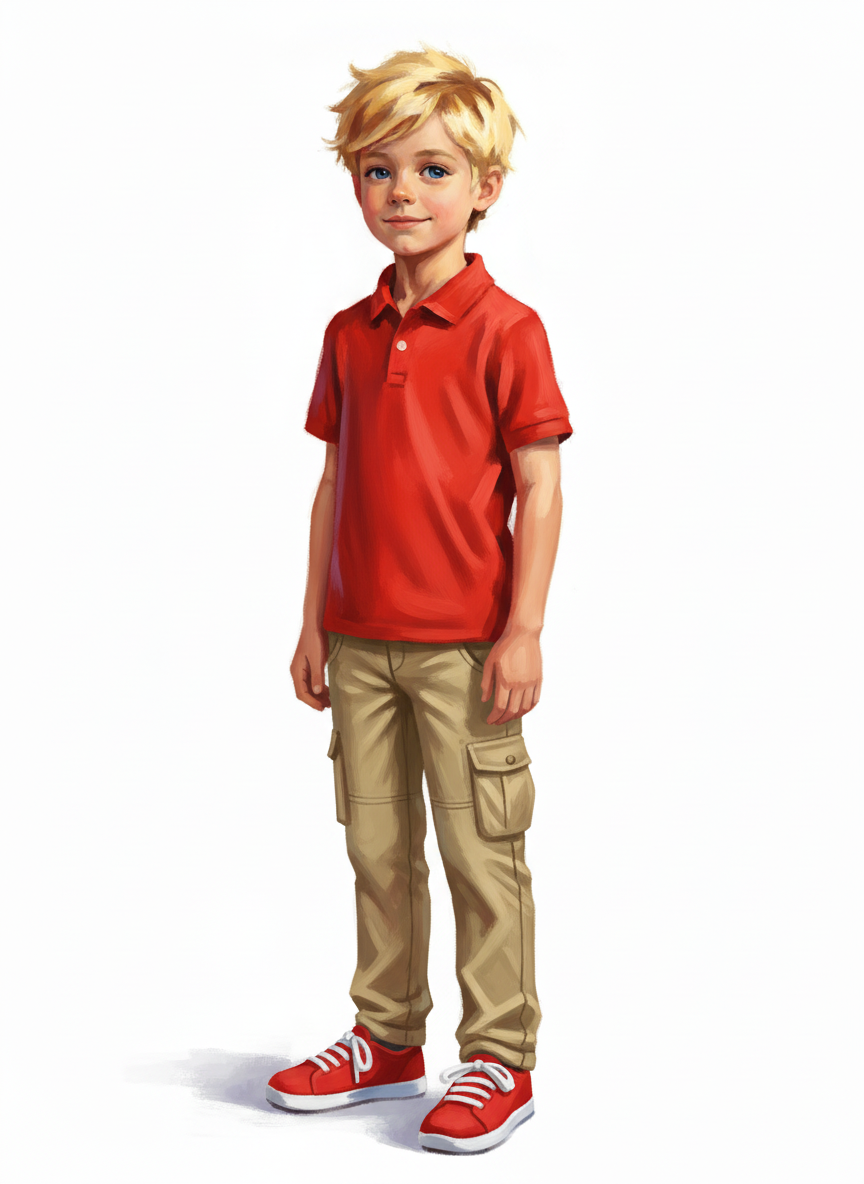
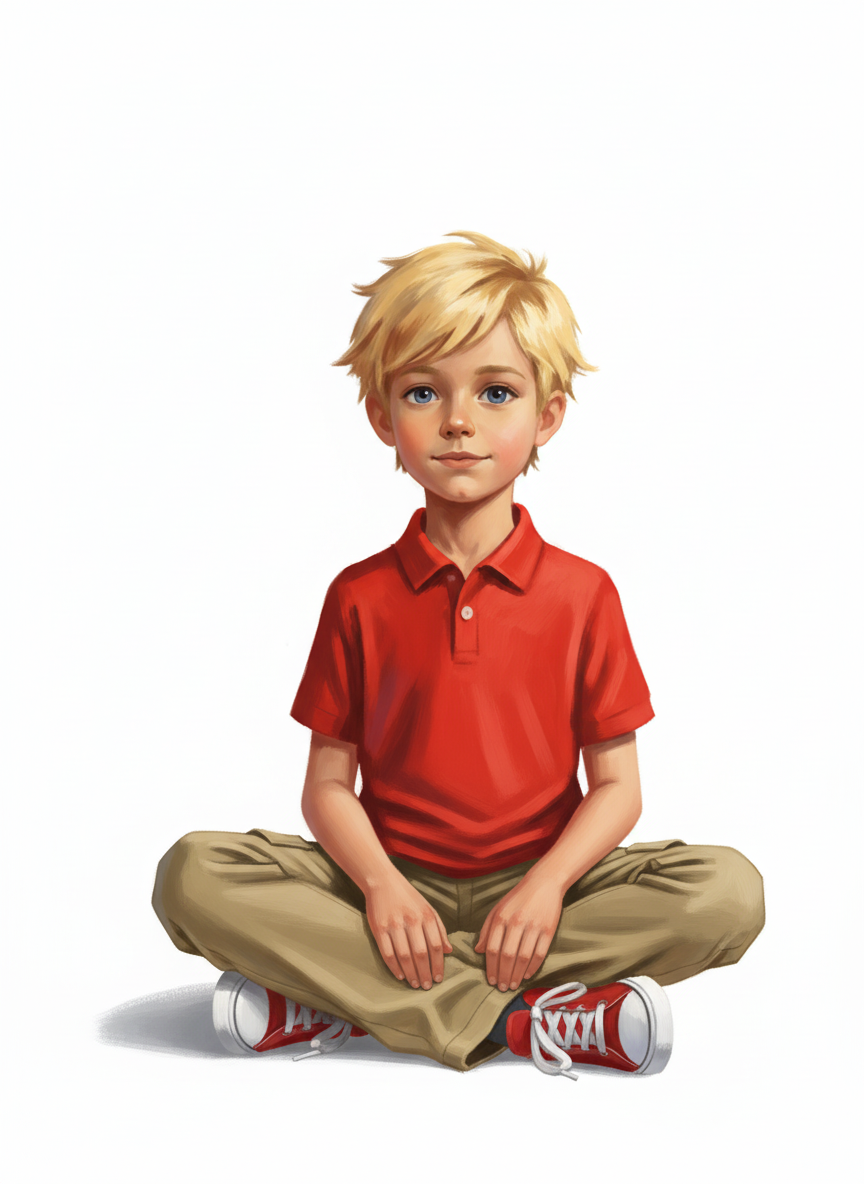
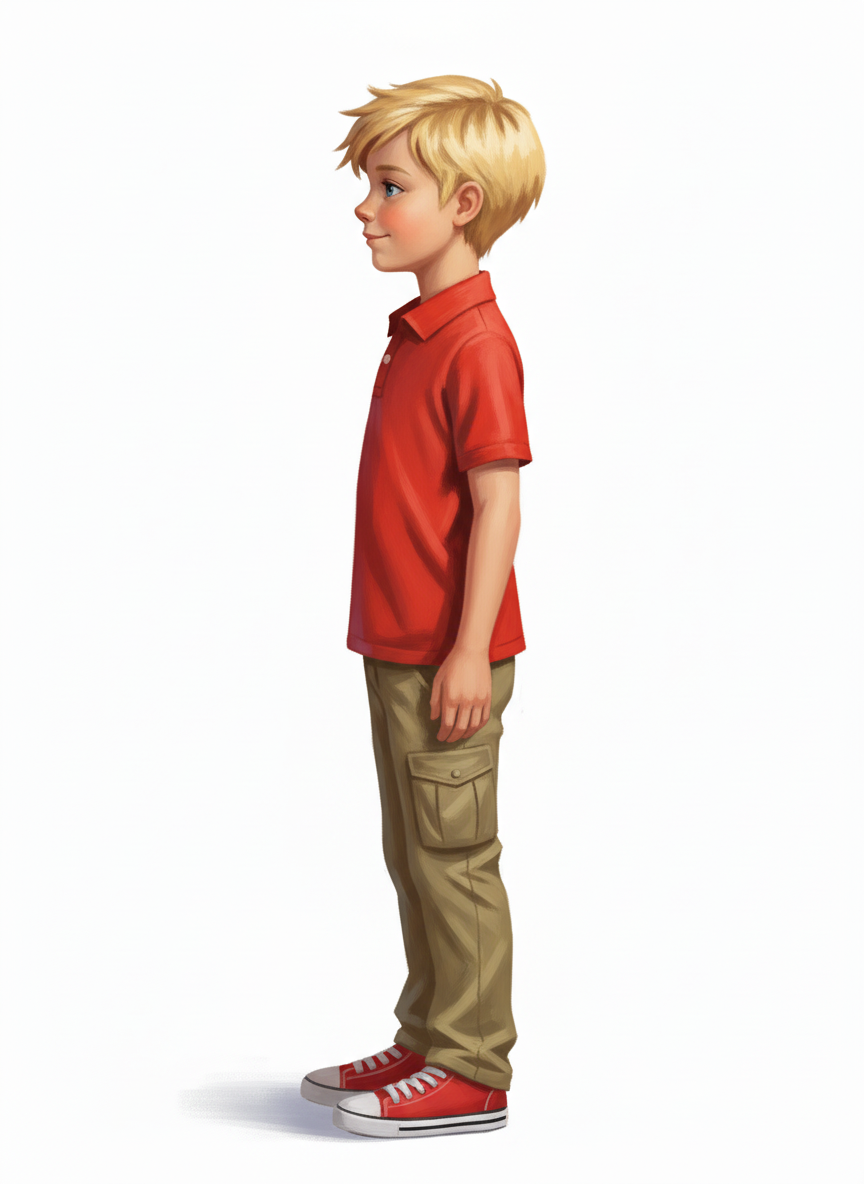
Alex shows that:
- Planning is a superpower, not a burden
- You can change your path without failing
- Being the “planner” doesn’t mean you must be perfect
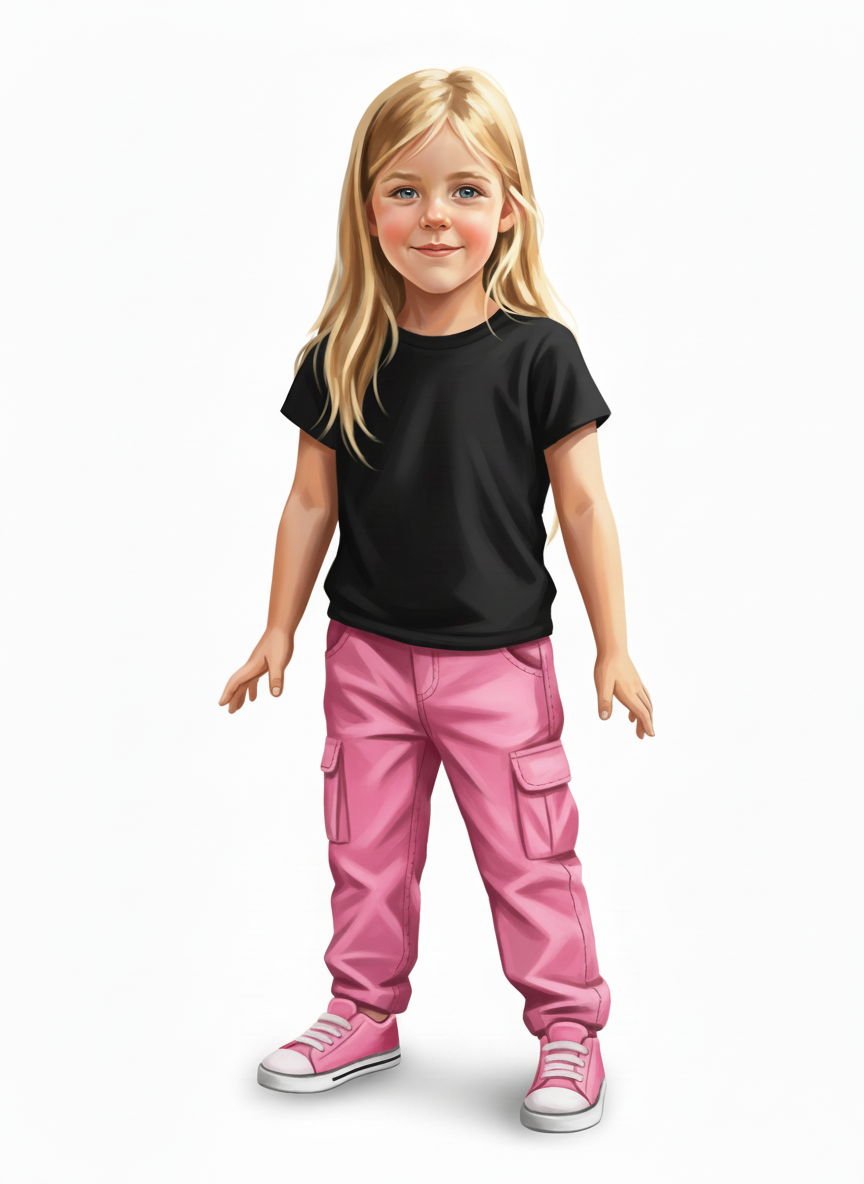
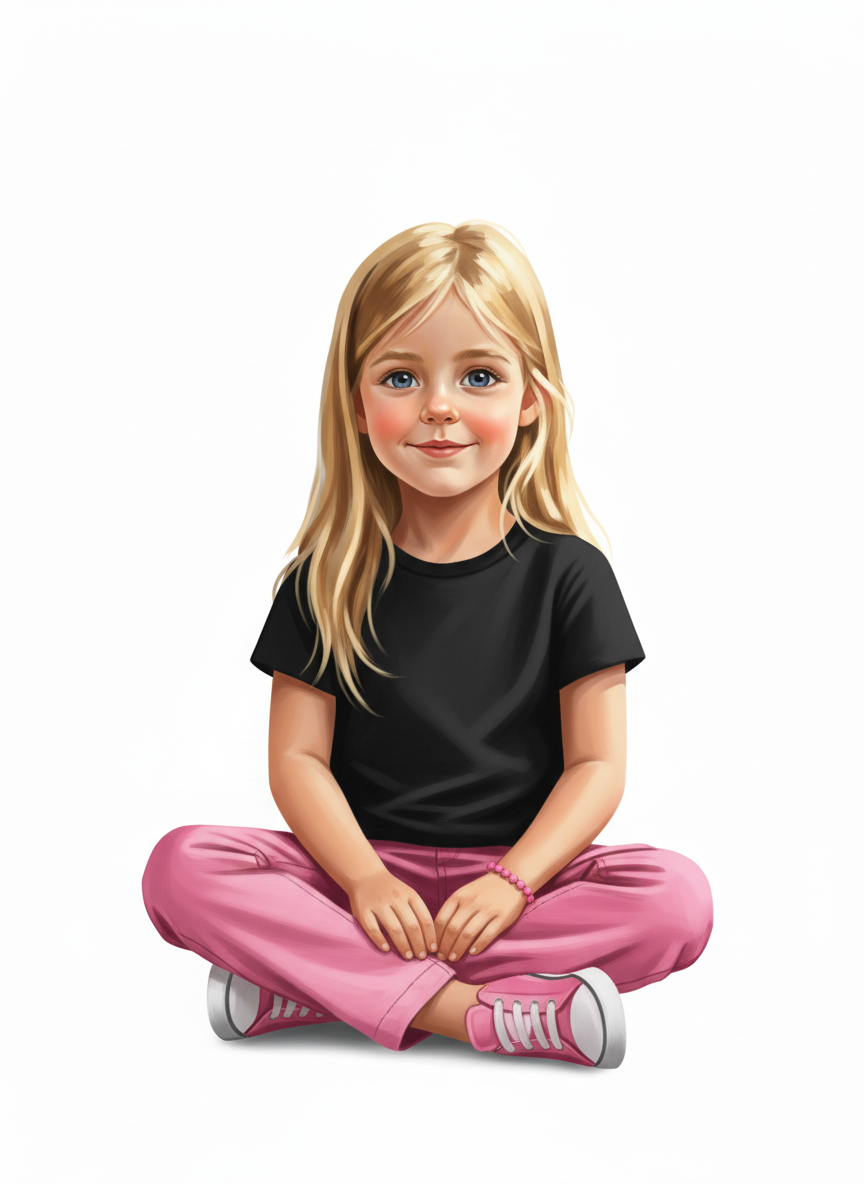
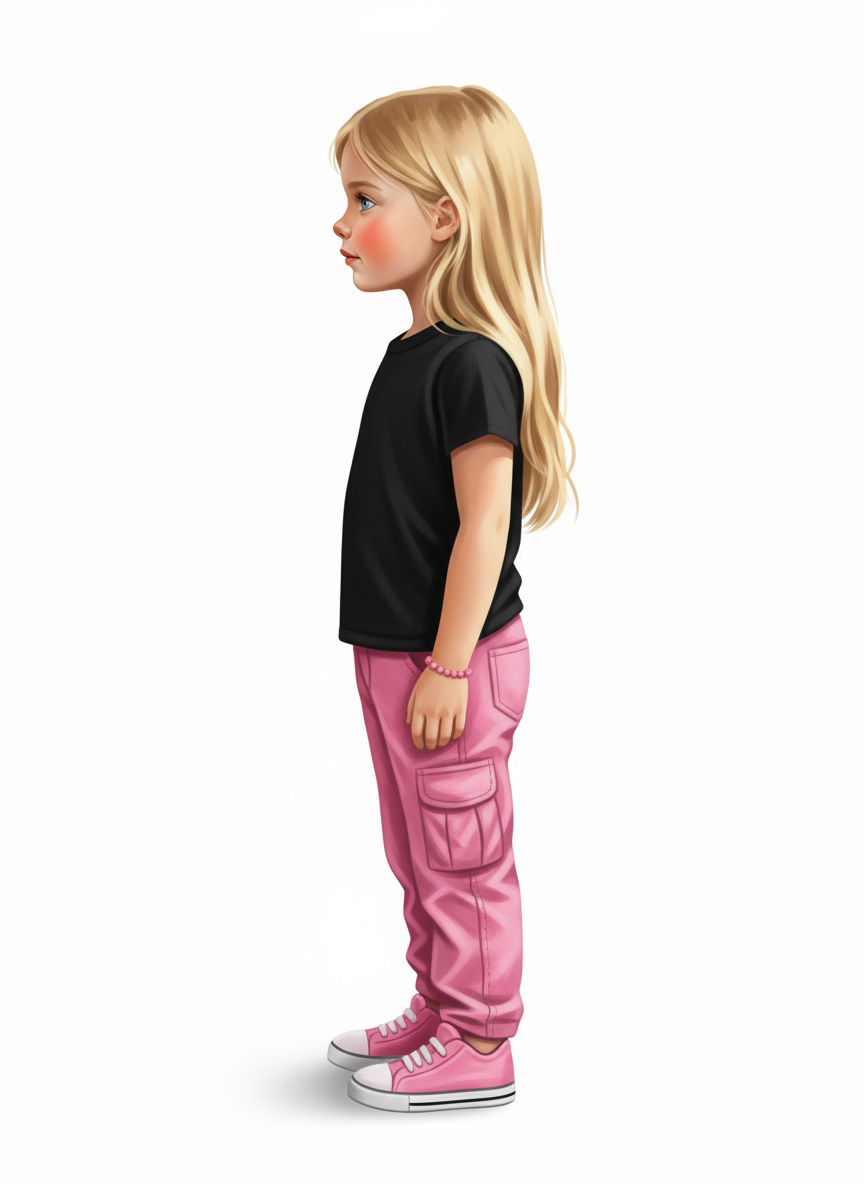
Maria – The Spark of Chaos and Laughter
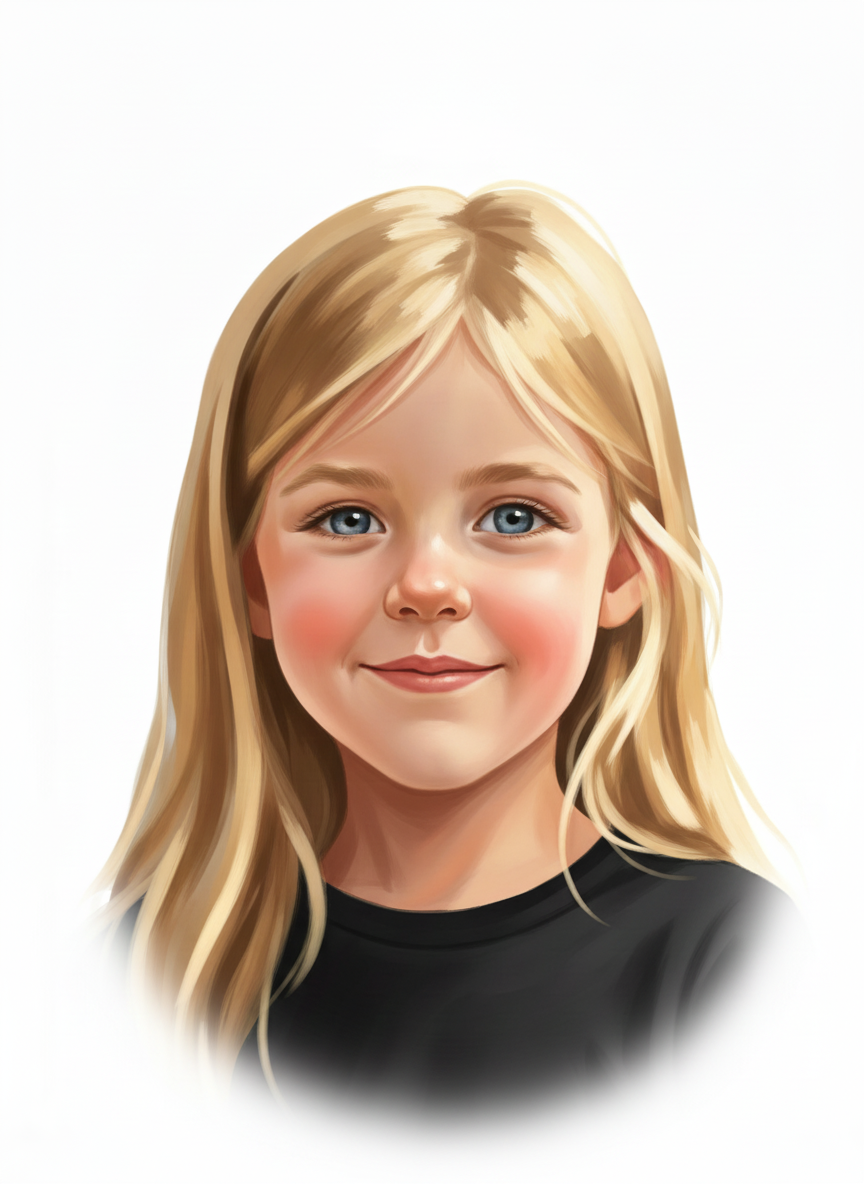
Maria is pure improvisation, jokes, movement, and noisy ideas.
- Loves: wordplay, jokes, dancing in the wrong moments, breaking patterns
- Struggles with: being “too much,” getting in trouble, not being taken seriously
- Core thread: Joyful creativity and emotional lightness
For kids who:
- Are the loud, silly, or “out of bounds” ones
- Use humor to handle fear or sadness
- Have big ideas that don’t always fit into boxes
Maria shows that:
- Humor can be healing, not just “disruptive”
- Playfulness is a form of intelligence
- Being “too much” often means you’re exactly enough
607 – The Logic Without Feelings (Yet)
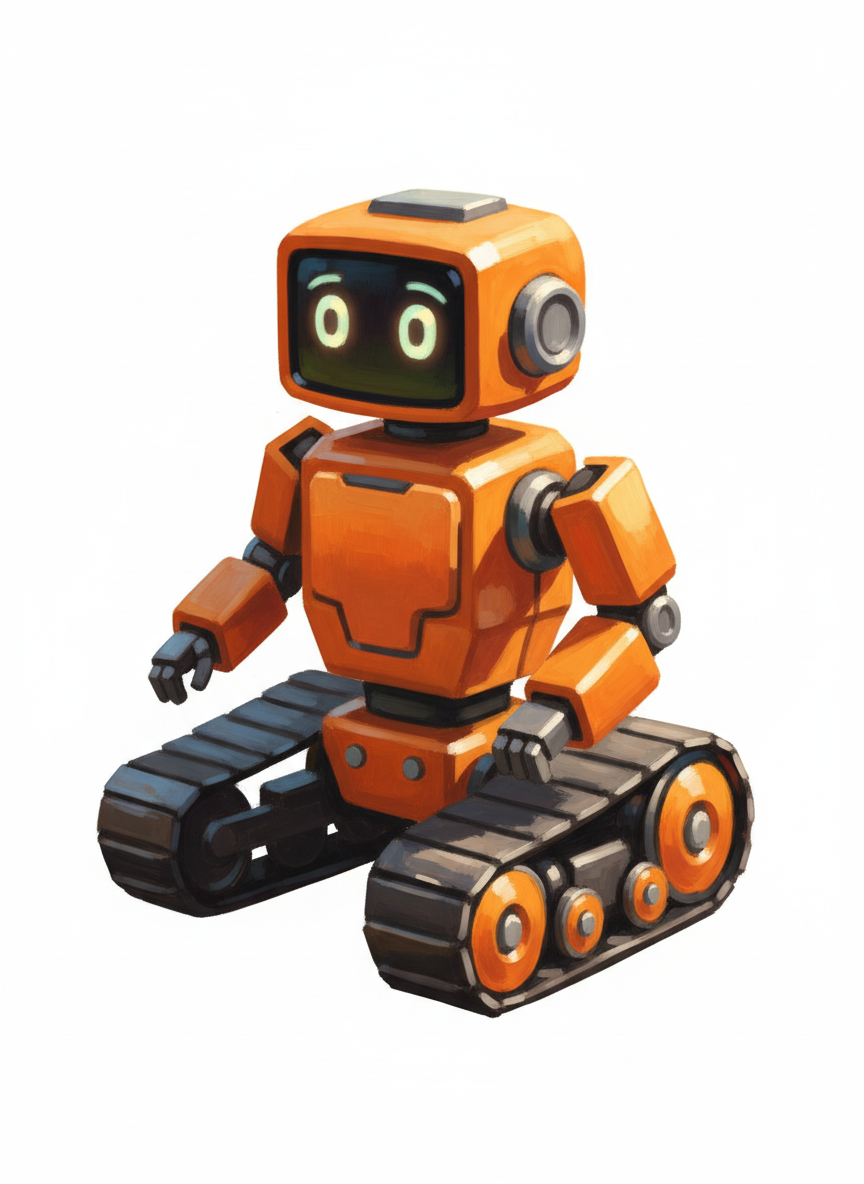
607 is a cold, brilliant, numbers-and-patterns mind… with almost no understanding of emotions.
- Loves: patterns, data, equations, “if-then” logic
- Struggles with: empathy, uncertainty, nuance, feelings that don’t fit rules
- Core thread: Balancing logic with humanity
For kids who:
- Think in systems, rules, or algorithms
- Like things clear, binary, and predictable
- Feel confused by emotions – their own or others’
607 shows that:
- Logic is powerful, but not complete
- Emotions are data, not “errors”
- Learning to care is a form of intelligence, too
Peeko – The Soft Voice of Emotional Wisdom
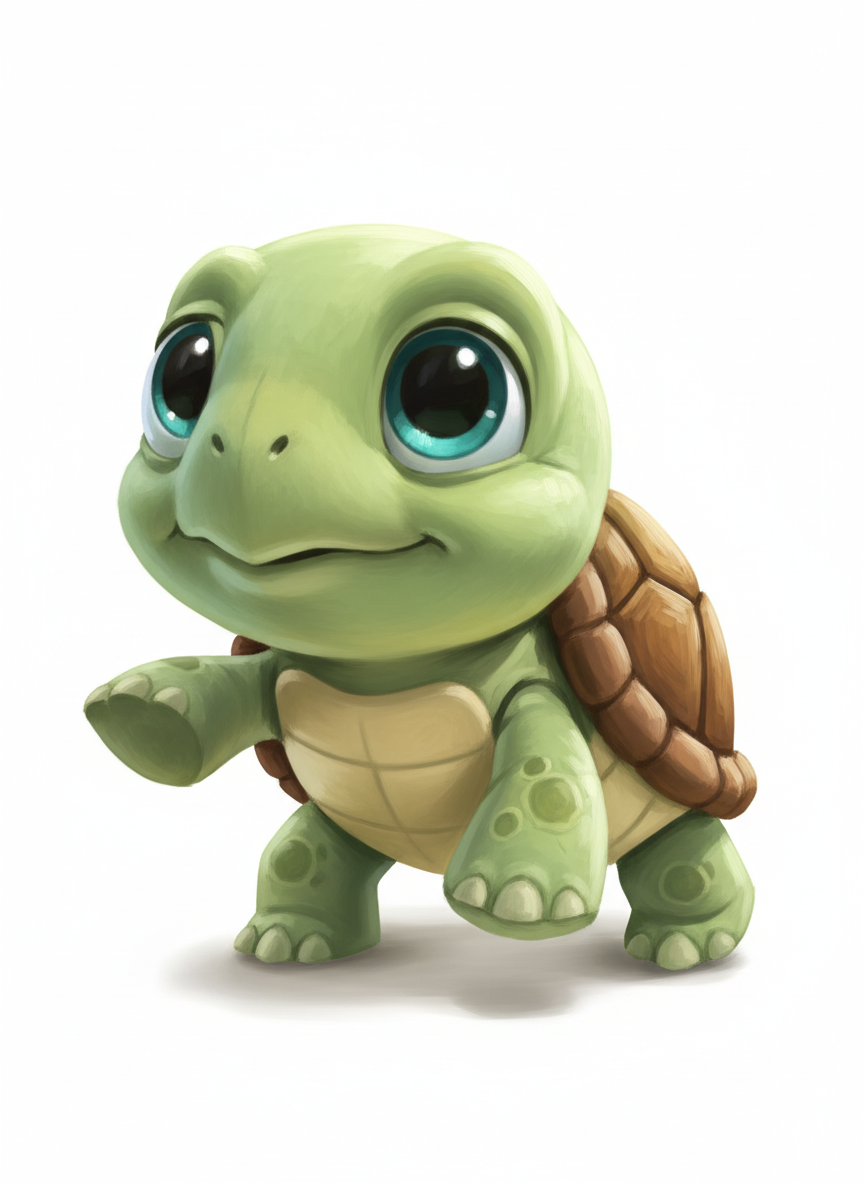
Peeko is the quiet, glowing presence who holds space, notices what others feel, and asks the right questions.
- Loves: listening, gentle questions, stillness, small rituals
- Struggles with: being overlooked, not speaking up soon enough
- Core thread: Calm, regulation, and deep noticing
For kids who:
- Are sensitive, observant, or introverted
- Feel everything strongly but don’t always have words
- Often become the “emotional anchor” for friends or family
Peeko shows that:
- Quiet doesn’t mean weak
- Slowness can be deep strength
- Noticing small things can change big things
Lily – The Quiet Kindness in the Background

Lily’s power is in the things most people don’t see: small acts of care, kindness when no one is watching, emotional glue that holds friends together.
- Loves: helping, noticing who feels left out, small creative gifts
- Struggles with: being invisible, putting her needs last
- Core thread: Kindness with boundaries
For kids who:
- Regularly care for others
- Struggle to say “no” or ask for help
- Feel unseen despite doing “everything right”
Lily shows that:
- Kindness is not self-erasure
- You can care for others and yourself
- The quiet child can still be a main character
Wei – The Calm in the Storm

Wei looks still on the outside but is always scanning, sensing, and processing.
- Loves: silence, patterns in nature, slow thinking, gentle observations
- Struggles with: anxiety underneath the calm, being misunderstood as “fine”
- Core thread: Calm presence and anxiety-aware strength
For kids who:
- Seem okay but are often worried inside
- Like to think longer before acting
- Feel easily overwhelmed but rarely show it
Wei shows that:
- Calm is not the absence of anxiety – it’s a skill
- You can learn to work with your nervous system, not against it
- Quiet, thoughtful people often see what others miss
Chloe – The Reluctant Team Player

Chloe is talented and driven but doesn’t always trust others to keep up.
- Loves: getting things right, leading projects, being competent
- Struggles with: frustration, control, disappointment in others
- Core thread: Teamwork, trust, and flexible leadership
For kids who:
- Take charge naturally
- Feel annoyed when others are slower or messier
- Are more comfortable “doing it themselves”
Chloe shows that:
- Leadership is more than being right
- Real teamwork means shared growth, not just shared tasks
- Letting others grow is part of your own growth
Ben – The Honesty and the Edge

Ben is fiercely honest – sometimes too direct.
- Loves: the truth, direct talk, clear rules
- Struggles with: hurting people accidentally, guilt, black-and-white thinking
- Core thread: Honesty with compassion
For kids who:
- Can’t stand lies or hypocrisy
- Say what they think, then regret how they said it
- Want the world to be fair and consistent
Ben shows that:
- Honesty is a gift – when shaped with care
- You can be direct without being harsh
- Repairing after a mistake is part of true integrity
Aarav – The Curiosity That Can’t Sit Still

Aarav’s mind is always reaching – for ideas, explanations, “why?” and “what if?”. He turns everything into a question and every question into a small adventure.
- Loves: experiments, “how things work” videos, asking follow‑up questions
- Struggles with: mental overload, impatient adults, jumping ahead without finishing
- Core thread: Curiosity, focus, and joyful thinking
For kids who:
- Ask “why?” ten times in a row
- Get excited faster than they can organize their thoughts
- Feel misunderstood when others say “stop overthinking”
Aarav shows that:
- Curiosity is a superpower, not a problem
- Big questions need small steps and pauses
- You can learn to ground your racing mind without dimming its light
Sam – The Resilient One Who Keeps Getting Back Up

Sam falls, fails, gets hurt… and then tries again.
- Loves: challenges, improvement, trying new things
- Struggles with: perfectionism, feeling like “I should already be good at this”
- Core thread: Resilience and growth mindset
For kids who:
- Feel discouraged when they’re not instantly good at something
- Compare themselves to others
- Want proof that trying again is worth it
Sam shows that:
- Failure is not a verdict – it’s a step
- Skills grow through practice, not magic
- Courage is not never falling; it’s getting up one more time
Gray – The Deep Empath

Gray feels everything around them – joy, pain, tension, relief – often all at once.
- Loves: understanding people, imagining others’ inner worlds
- Struggles with: emotional overwhelm, taking on others’ feelings, feeling responsible for everyone’s mood
- Core thread: Healthy empathy and boundaries
For kids who:
- Are highly sensitive to others’ moods
- Feel tired after social situations
- Care deeply, sometimes too deeply
Gray shows that:
- Empathy is power, not a weakness
- You are allowed to protect your own energy
- Caring for others starts with caring for yourself
Oliver – The Guarded Heart at the Edge of the Group

Oliver stands a little off to the side, watching everything. He jokes, shrugs, rolls his eyes – but inside he’s checking: “Is this safe? Do I really belong here?”
- Loves: humor, testing boundaries, seeing who stays
- Struggles with: trust, feeling judged, pushing people away before they can leave, using jokes or teasing to hide hurt feelings
- Core thread: Trust, belonging, and softening defenses
For kids who:
- Act tough or sarcastic when they feel insecure
- Prefer the edge of the group to the middle of it
- Secretly want closeness but are scared to ask for it
Oliver shows that:
- Defenses once kept you safe – but they don’t have to run your life forever
- You can be cautious and let people in, slowly
- The kid at the edge of the Playground is still part of the story – and worthy of real friendship
Parents – Guides for Learning and Emotion
The parents in Yekamaka are crucial figures, bridging the adult and child worlds with wisdom and warmth.
Dad – The Learning Guide

Dad brings curiosity and a sense of shared discovery. With a background in business, government, and research, he’s learned that true understanding often comes from unexpected places. He believes learning is a journey where questions are welcome and mistakes are part of the path. He admits when he doesn’t know something, invites children to explore answers together, and genuinely seeks to understand the world through their eyes – whether it’s the thrill of striking a stone with a pole or the joy of jumping a hill.
Mom – The Emotional Guide

Mom brings calm understanding into every scene. She helps the children notice their feelings, name them, and find a way forward. She doesn’t solve problems for them, but rather gives them the tools to navigate their own emotional landscapes. Kids like Mom because she listens without judging and always knows how to create a safe space when emotions get messy.
The Importance of Parents in Yekamaka
Parents in the Yekamaka Universe play a crucial role in connecting generations and fostering a deeper understanding between adults and children. They are not just background figures; they are active participants in the journey of discovery and growth.
Through the Yekamaka experience, parents are encouraged to:
- Reconnect with their own inner child: Remembering the feelings and wonder they might have forgotten, allowing them to engage with the universe on a more profound level.
- Better understand their children: Gaining insights into their children’s emotional landscapes and developmental needs, which helps them guide and support their growth more effectively.
This intergenerational involvement ensures that the Yekamaka Universe is a space for co-learning and co-creation, where both children and adults can grow together.
More Than Characters: Emotional Guides
Each character in Yekamaka is:
- A symbol of an inner pattern children recognize
- Paired with specific emotional skills and tools
- Connected to objects, creatures, and realms that represent psychological processes
In the larger universe:
- Characters become AI companions, game guides, and story anchors
- Their “threads” become real-world practices kids can use
- Children can even create their own characters, mirroring their inner world
Yekamaka’s characters are not here to be perfect.
They’re here to be relatable, growing, and real—so children can see that their own journeys matter just as much.