The Emotional Gap: Kids Feel First, Adults Explain Later
Children and adults have the same basic emotions—joy, fear, anger, sadness, surprise, love—but different timelines. In children: In adults: A…
Children and adults have the same basic emotions—joy, fear, anger, sadness, surprise, love—but different timelines. In children: In adults: A…
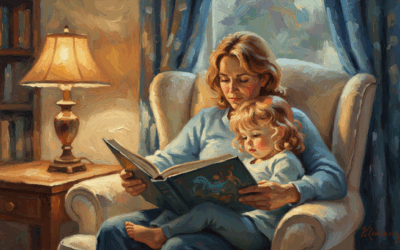
One of the most powerful brain‑building tools in childhood costs nothing: looking at the same thing together. When a child…
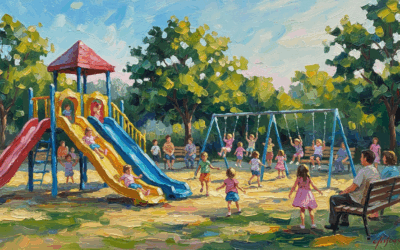
Stillness is an adult fantasy, not a developmental norm. Movement in children is not just “extra energy”—it is a core…
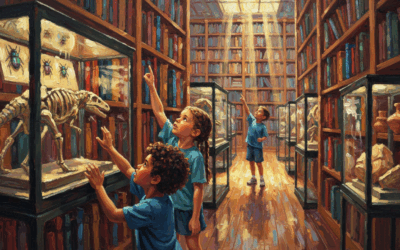
Many “mystery meltdowns” are sensory events in disguise. Children’s sensory systems are still developing. They take in more sound, light,…
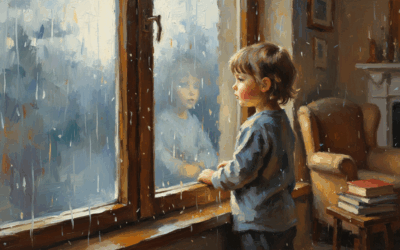
Telling a dysregulated child to “calm down” is like telling a car with no brakes to “stop.” During big emotions,…
Every meltdown, refusal, or shutdown is the last line of a story that started much earlier in the nervous system….
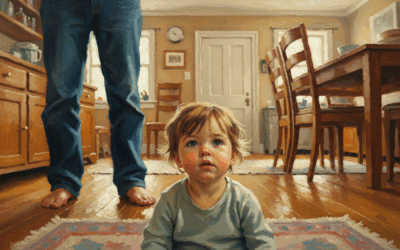
Time is not felt the same way at six and at thirty‑six. Children’s brains are wired for “now.” The present…
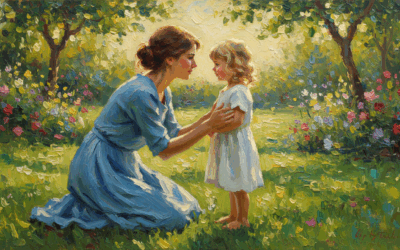
Children and adults live in the same home but move through completely different mental worlds. Children’s brains are in “construction…
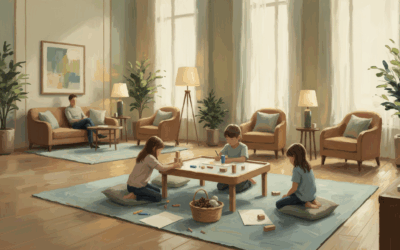
A kid‑friendly world is not just bright colors and mascots. From Kid‑Friendly World, the deeper definition is: A child does…