
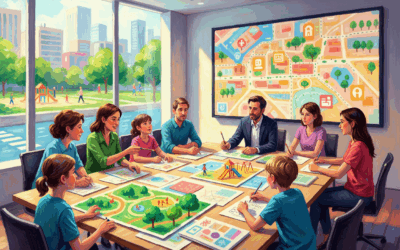
Measuring What Matters: The Science Behind Building Better Worlds for Children
It’s easy to say “we care about kids.” It’s much harder to prove it, measure it, and keep improving. That…
It’s easy to say “we care about kids.” It’s much harder to prove it, measure it, and keep improving. That…
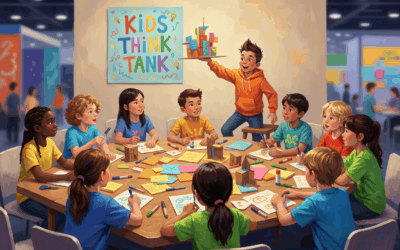
At Kid-Friendly World (KFW), we believe that children aren’t just the future—they’re vital contributors to the present. That’s why we’re…
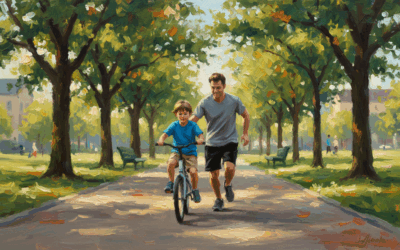
Travel is often sold as “seeing new places.” For children, it’s also intensive training in: Research in Kid‑Friendly World describes…

Ideas about “good behavior,” respect, and independence are not universal. They are cultural. Cross‑cultural research summarized in Kids and Parents…

Today’s parents navigate a historically unusual environment: This “noise” shapes how adults experience their children. Many parents are not actually…
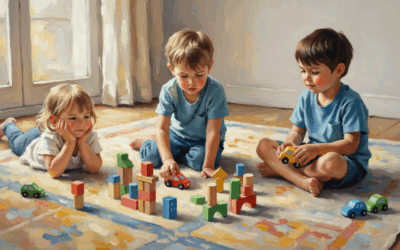
Children experience cities from a completely different height, speed, and sensory angle. They notice: In participatory design projects, children routinely:…

Children don’t hold the credit card—but they strongly direct where it gets used. Research on family travel and migration shows…
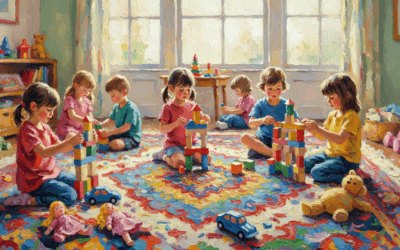
When a child insists the bed is a pirate ship or the hallway is lava, they are not simply “being…

Play is often treated as dessert after the “real work” of learning and behaving. Neuroscience says the opposite: for children,…
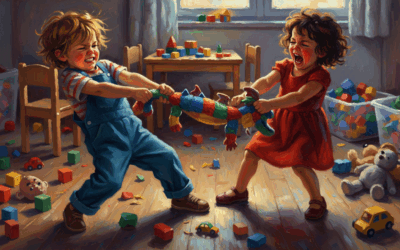
Every close relationship has rupture. In families, the question is not whether conflict happens, but what happens next. Research on…