
Why Conflict With Kids Isn’t a Failure—It’s Data
 Why Conflict With Kids Isn’t a Failure—It’s Data
Why Conflict With Kids Isn’t a Failure—It’s Data
Why Conflict With Kids Isn’t a Failure—It’s Data
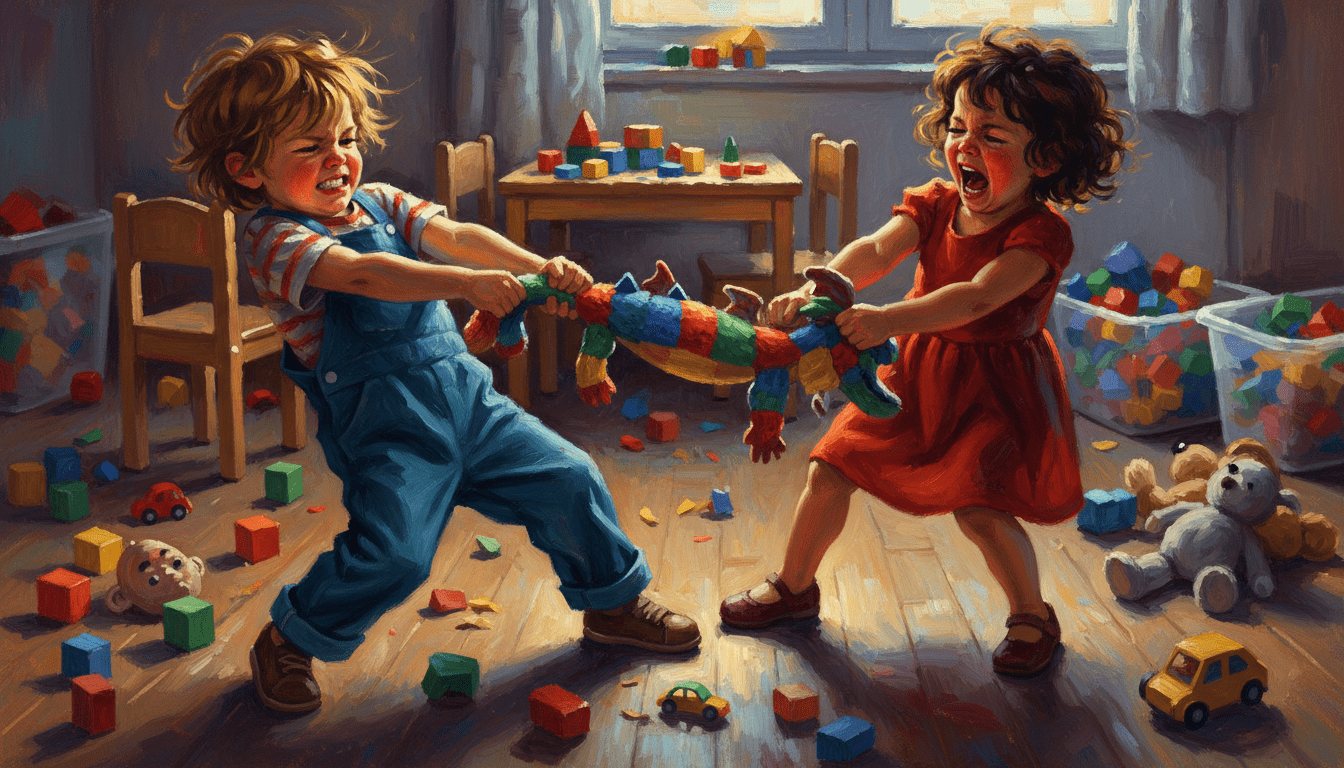
Every close relationship has rupture. In families, the question is not whether conflict happens, but what happens next.
Research on attachment and “rupture and repair” shows that secure relationships are not those with no conflict, but those with consistent repair afterward. The nervous system learns:
- “We can fight and still be okay.”
- “I can be angry and still be loved.”
- “When something breaks, we fix it together.”
The apology is not the admission that you are a bad parent. It is the evidence that the relationship is stronger than the moment.
For children, unresolved conflict often becomes self‑blame or quiet resentment. Repaired conflict becomes resilience training.
A simple sequence:
- Name it: “Earlier, I yelled. That was scary.”
- Own it: “That was my stress, not your fault.”
- Repair: “I’m sorry. Next time I’ll try to take a break sooner.”
- Invite: “Do you want to tell me how it felt for you?”
You are not only fixing today. You are teaching tomorrow’s template for every relationship they will have.