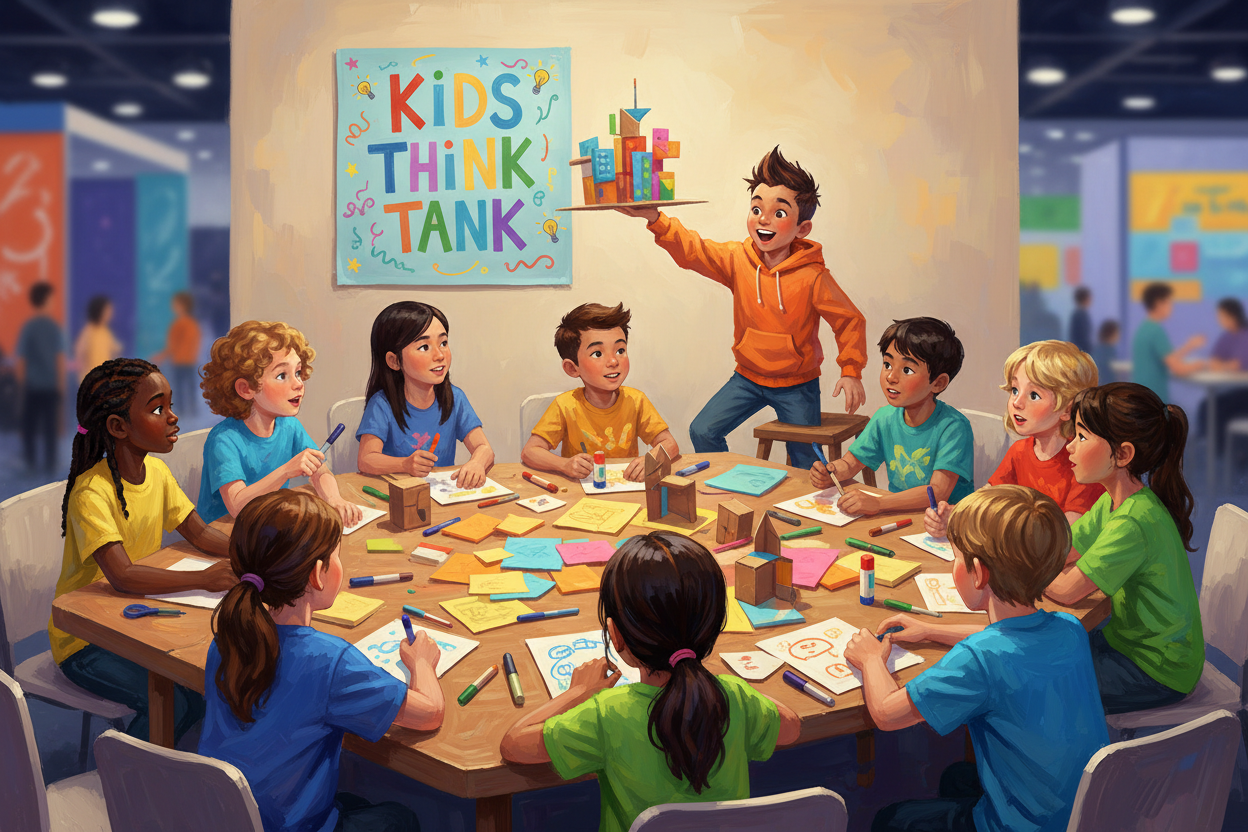

Why Kids Move So Much (and Why That’s Not Misbehavior)
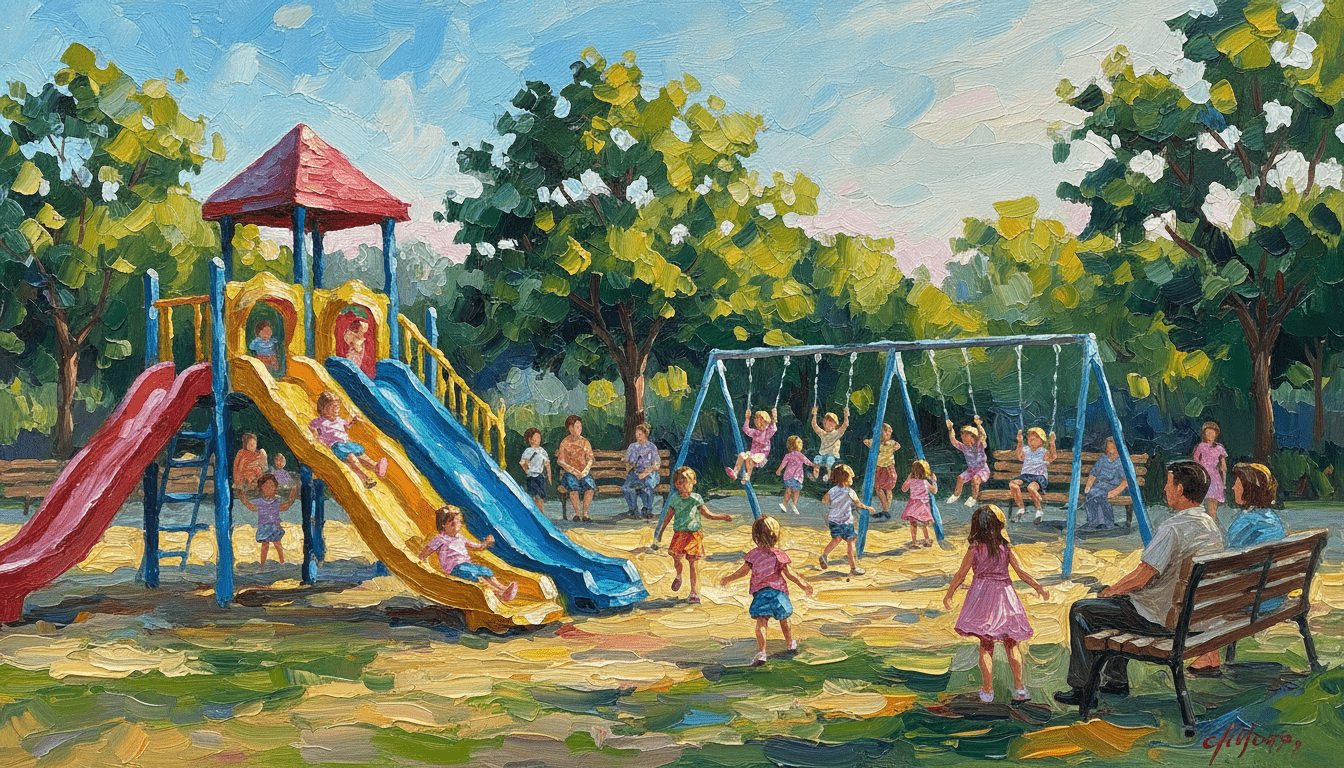 Why Kids Move So Much (and Why That’s Not Misbehavior)
Stillness is an adult fantasy, not a developmental norm.
Movement in children is not just “extra energy”—it is a core regulation and learning tool. Running, fidgeting, climbing, spinning, pacing: these behaviors help integrate sensory input, sustain attention, and process emotion.
A child who is bouncing may be trying to stay with you, not away from you.
Research links physical activity with improved executive function, emotional regulation, and learning. Yet adults often interpret movement as defiance or lack of respect.
In practice, “sit still and listen” can be replaced with:
- “Walk with me while we talk.”
- “You can squeeze this ball while I explain.”
- “After 10 minutes, we do a movement break.”
When movement is legalized and channeled, behavior often improves without a single extra rule.