Why Children Are the Best (and Most Honest) Urban Planners
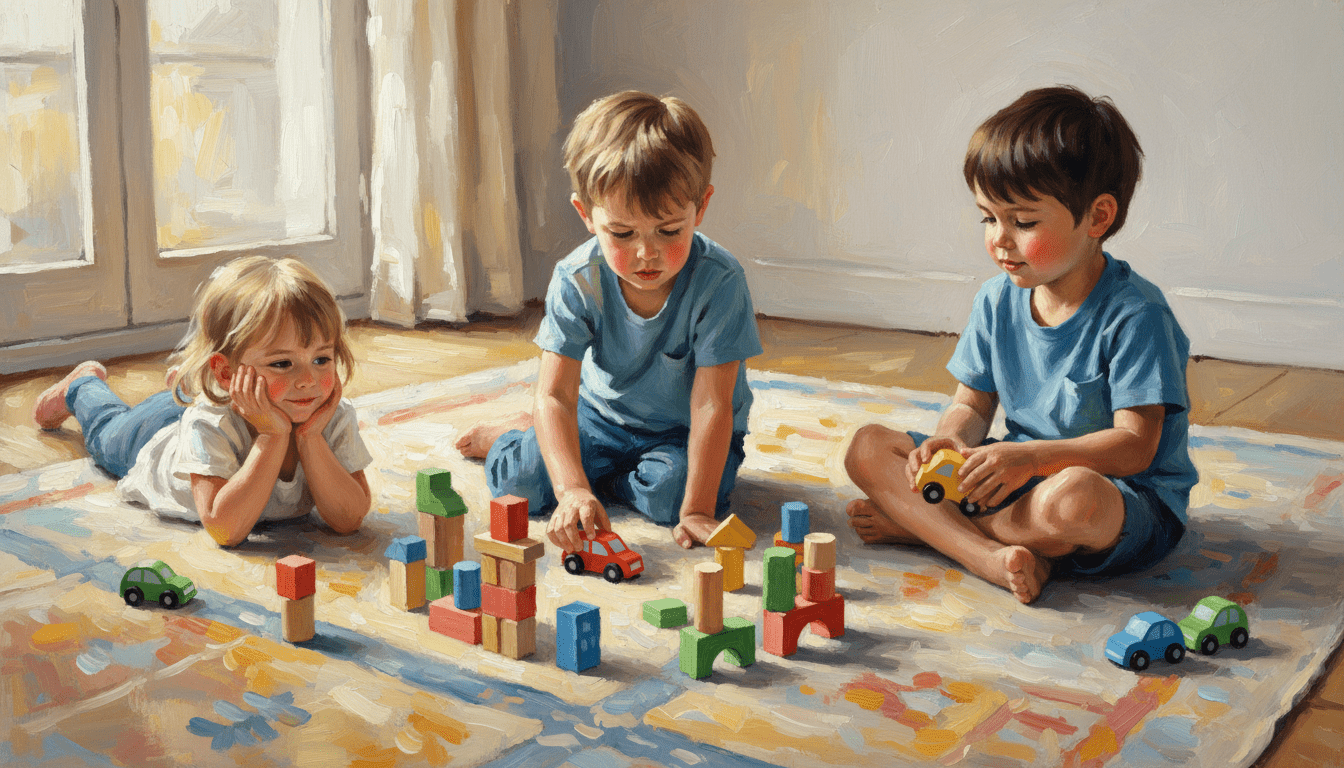 Why Children Are the Best (and Most Honest) Urban Planners
Children experience cities from a completely different height, speed, and sensory angle.
They notice:
- Cracks, edges, and small hiding spots,
- Surfaces that feel safe or slippery,
- Where adults can see them—and where no one can.
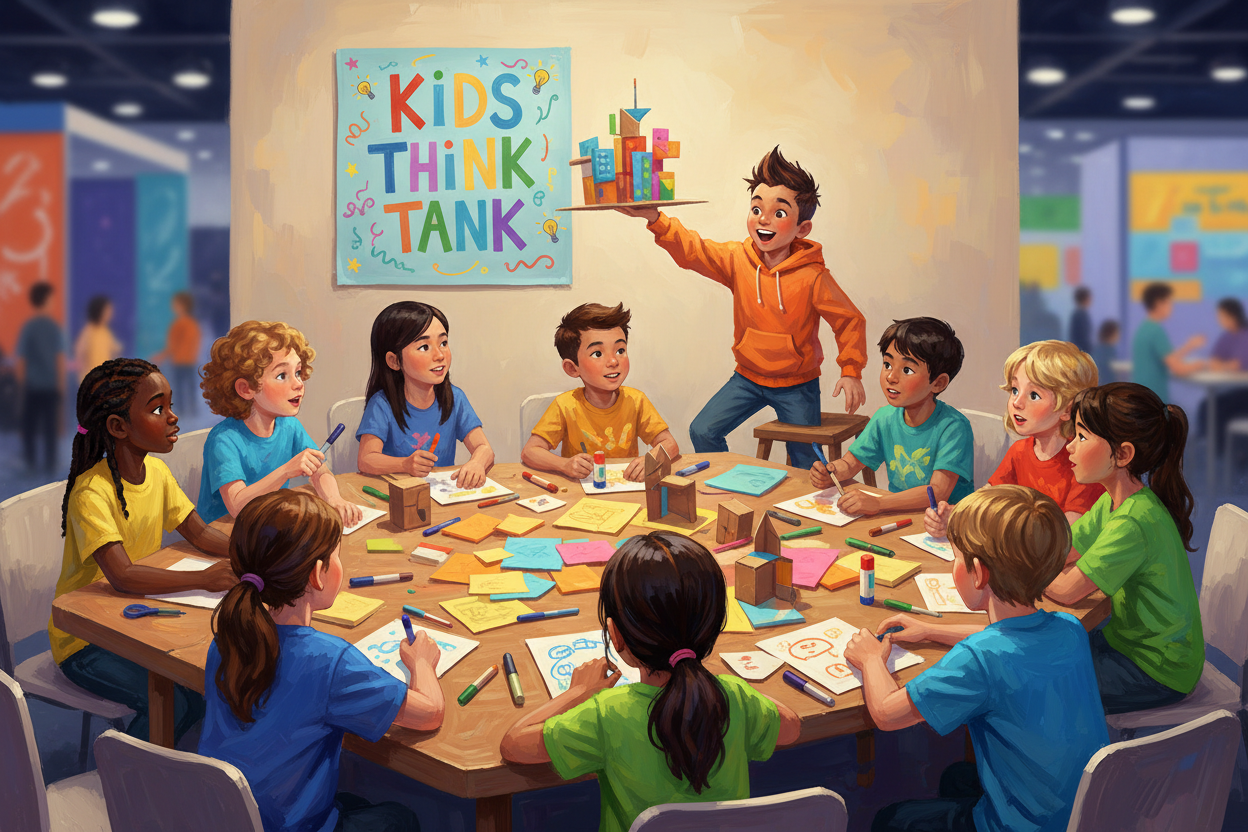
In participatory design projects, children routinely:
- Identify danger points adults missed,
- Discover underused spaces ripe for play,
- And invent low‑cost improvements (a log here, a painted game there).
Children are not “future citizens.” They are current experts on what it feels like to move a small, vulnerable body through our systems.
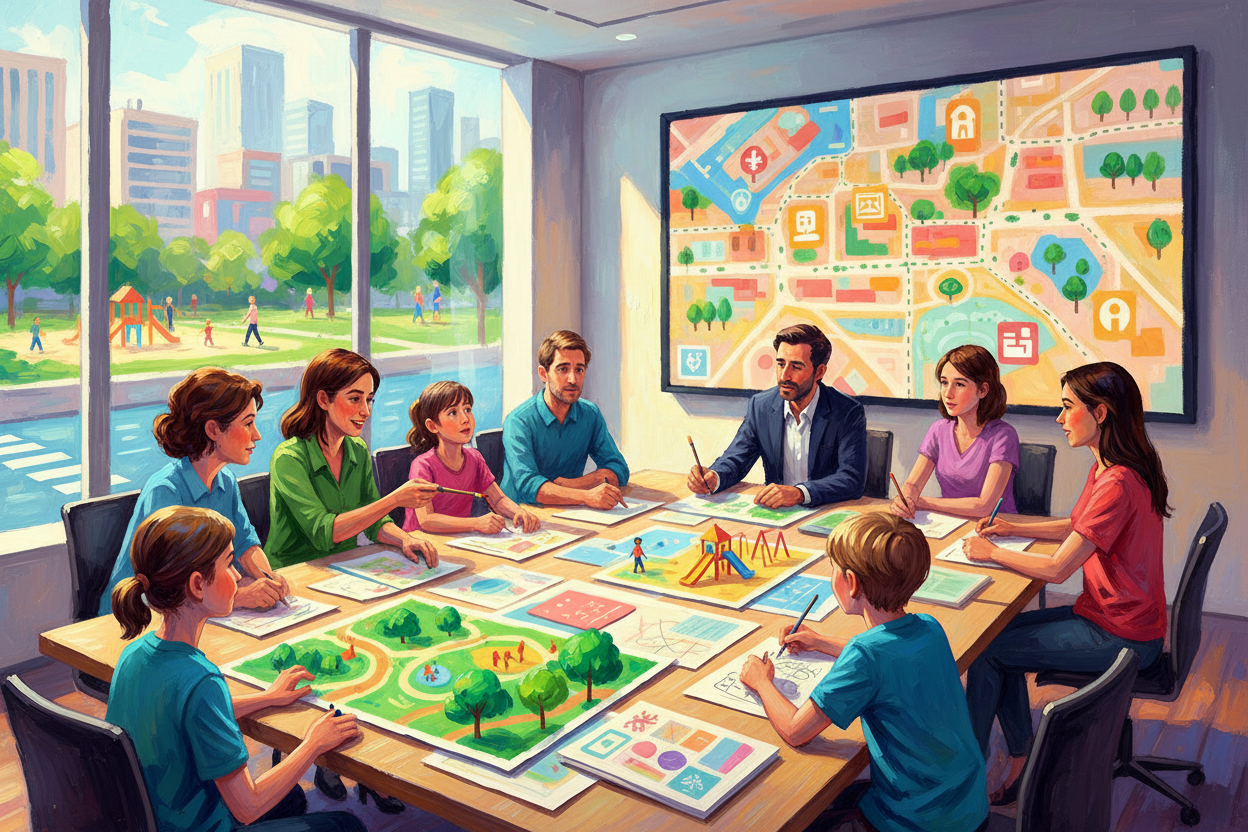
Research on participatory planning shows that when children co‑design parks, streets, and public spaces, the results are:
- Safer,
- More inclusive,
- And more used—by everyone.
The question for planners shifts from “What do we think they need?” to “What do they show us with their feet, eyes, and drawings?”