Play Is Not a Reward. It’s the Operating System.
 Play Is Not a Reward. It’s the Operating System.
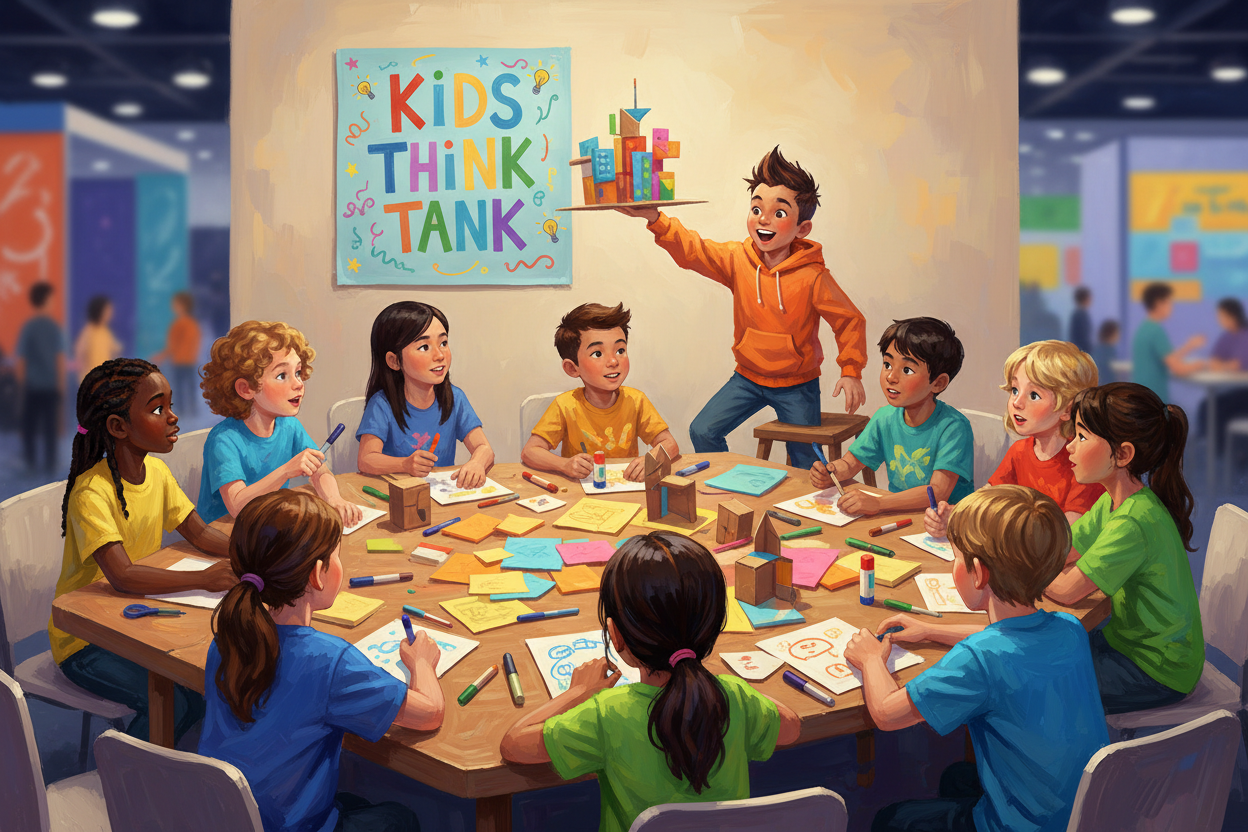
Play is often treated as dessert after the “real work” of learning and behaving. Neuroscience says the opposite: for children, play is the engine of learning, regulation, and social development.
In play, children:
- Practice flexible thinking (rules change mid‑game),
- Build executive function (remembering roles and sequences),
- Process emotions (acting out fear, power, loss),
- And experiment with identity (“Today I’m the doctor, not the patient”).
A child at play is not “wasting time.” They are running the most important experiments of their brain’s early life.
Research shows that unstructured, child‑led play predicts better self‑control, creativity, and social skills. Removing play to “get ahead” academically often backfires, generating stress and shallow learning.
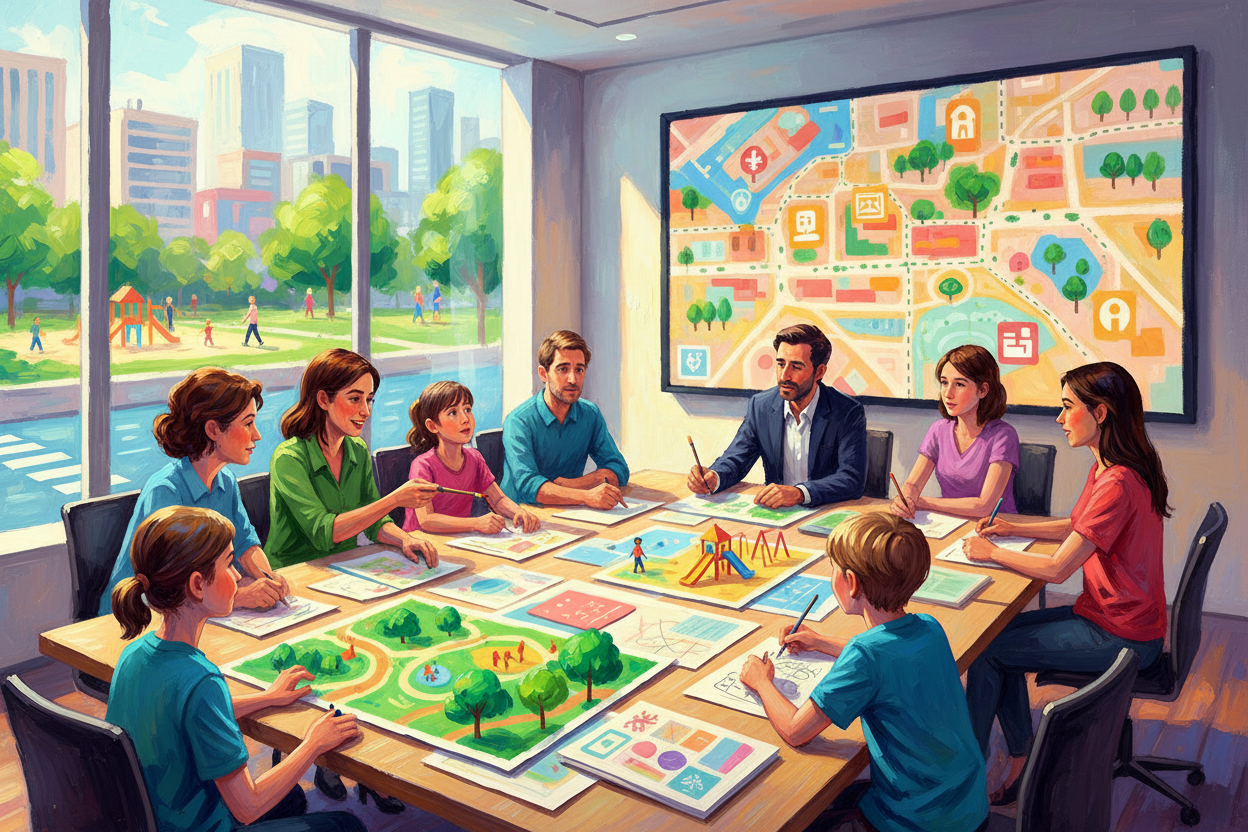
Design question for homes, schools, hotels, and cities: not “Where is the Playground?” but “Where, in this space, can a child safely turn their curiosity loose?”