
Imagination: The Brain’s Emotional Sandbox
 Imagination: The Brain’s Emotional Sandbox
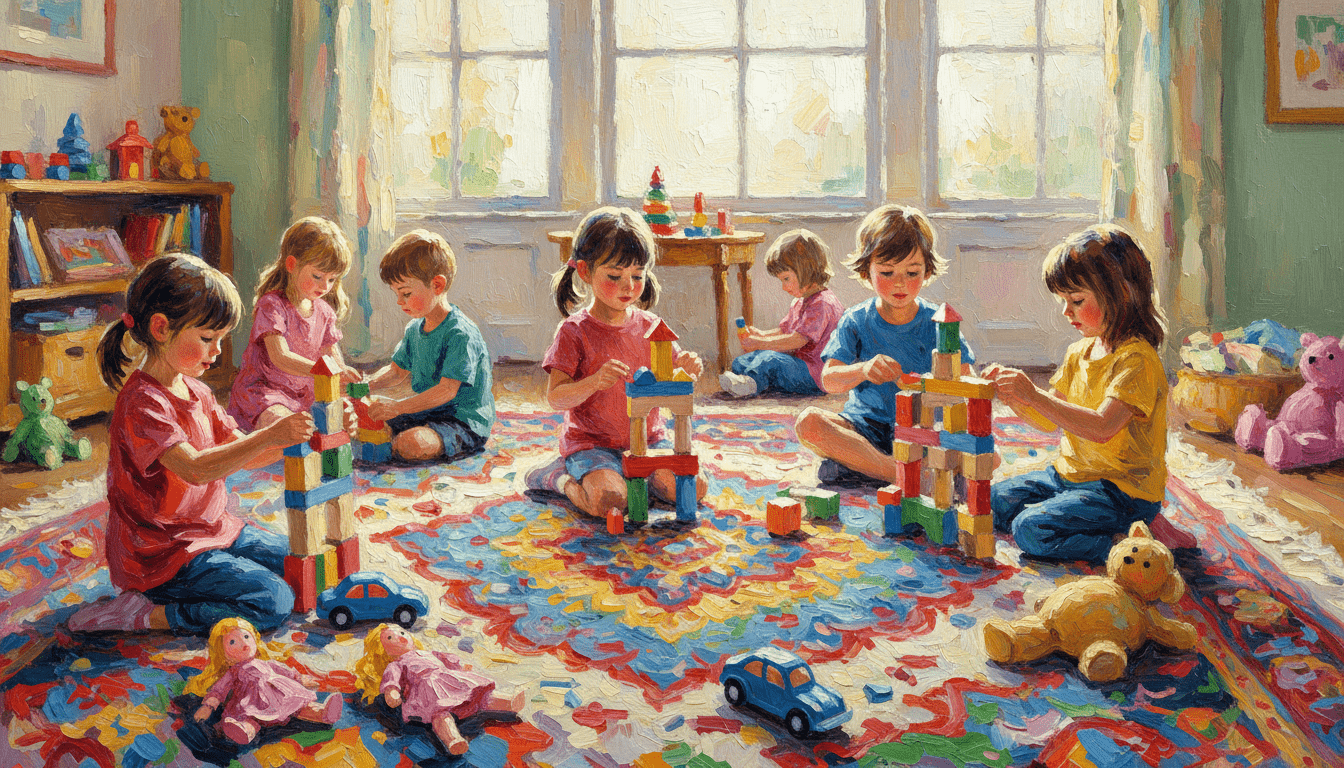
When a child insists the bed is a pirate ship or the hallway is lava, they are not simply “being silly.” They are using imagination to rehearse risk, courage, power, and fear in a controlled environment.
Developmental psychology describes this as symbolic play—one thing stands for another. Neurologically, the brain simulates situations and emotional states without real‑world consequence.
Imagination is how children test out tomorrow’s feelings with today’s safety net.
Research from Kids and Parents and Kid‑Friendly World shows:
- Pretend play helps children practice perspective‑taking (“I’ll be the teacher; you be the student.”),
- Integrate scary material (monsters, separation, conflict),
- And construct coherent stories about themselves.
Adults do a quieter version of this when they plan, worry, or daydream. The healthy move with children is rarely “Stop pretending,” but more often: “Tell me more about this world you’re building.”